Drain Repairs vs Drain Relining: Which Is Right for Your Drain?
Homeowners in Dorchester and surrounding Dorset towns often face the challenge of damaged or blocked drains. Choosing the right method to fix these issues is crucial, not only for lasting results but also to reduce disruption to your property.
Two common approaches exist for addressing drain problems: traditional excavation repairs and no-dig drain relining. This article explores the differences between these techniques, their advantages and disadvantages, and how to determine which option suits your specific drainage needs.
Understanding Traditional Drain Repair
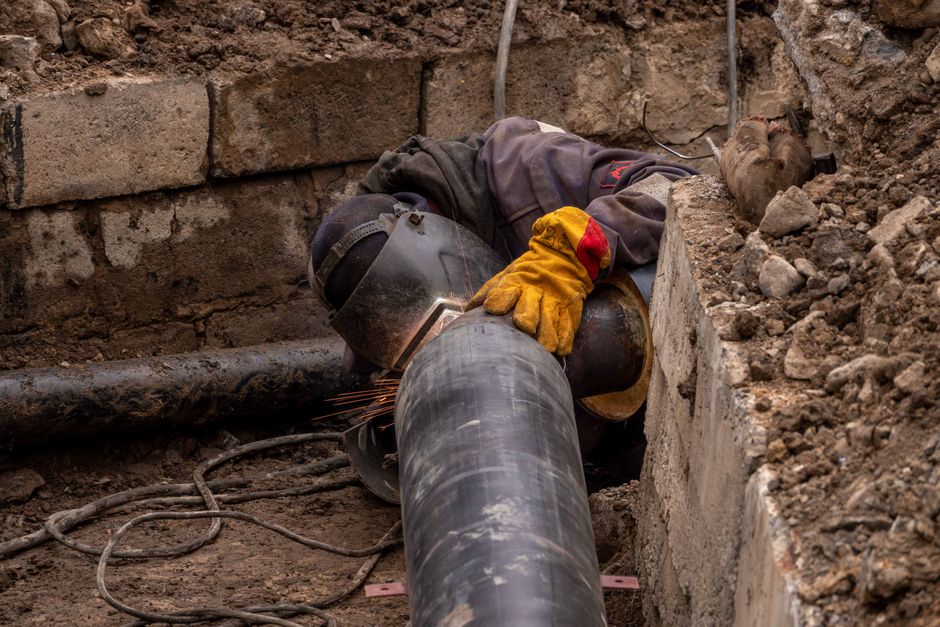
Traditional drain repair involves excavating the damaged section of the drain to remove and replace broken pipes. This method has been the go-to solution for many years, especially for significant structural damage. In Dorset, where many properties have older underground drain systems, excavation often uncovers issues such as collapsed clay pipes or tree root intrusion.
One of the main benefits of traditional repairs is that it offers a direct fix to severely damaged sections. Engineers can access the pipe fully and replace or upgrade it to prevent future issues. However, excavation can be disruptive, particularly for homes with established gardens or paved driveways, which are common in towns like Poundbury and Maiden Newton.
Moreover, excavation repairs can be costly and time-consuming, depending on the extent of the damage and the location of the pipes. Disrupted surfaces must be restored, adding to the overall project timeline and expense.
What Is Drain Relining?
Drain relining is a trenchless solution that repairs damaged drains by inserting a resin-coated liner inside the existing pipe. Once the liner cures, it forms a rigid, waterproof pipe within the old drain, sealing cracks and holes without the need for digging.
This no-dig method is increasingly popular across Dorset, including areas such as Puddletown and Crossways, due to its minimal disruption to the property. Drain relining is particularly effective for pipes that are cracked, leaking, or suffering from minor collapses.
Though relining avoids the mess of excavation and usually completes faster, it does depend on the existing pipe being structurally sound enough to support the liner. If the pipe is severely collapsed or blocked beyond clearance, relining may not be a suitable option.
Pros and Cons of Traditional Drain Repairs
One of the biggest advantages of traditional repair is its ability to handle extensive damage. Where pipes are crushed, misaligned, or heavily blocked with roots—as might be found in older properties throughout Winterborne St Martin or Evershot—excavation allows for complete replacement.
Traditional repair also offers the chance to upgrade pipe materials, which can improve long-term drainage performance. This can be important in areas with shifting soils or heavy rainfall common to Dorset’s varied landscape.
On the downside, excavation is invasive and often costly due to the labour and restoration work involved. Property owners in locations like Winfrith Newburgh or Puncknowle may experience prolonged disruption, especially if access is difficult or if driveways and patios need breaking up.
Pros and Cons of Drain Relining
Drain relining reduces the need for digging, which means less disruption to gardens and paved areas—a big plus in areas like Abbotsbury and West Bexington where outdoor spaces are valued. The process is generally quicker than traditional repairs, often completed within a day or two.
Because no excavation is needed, relining tends to be more environmentally friendly and can be a cost-effective option for homeowners where the damage is not too severe. It also extends the life of existing drains by sealing leaks and preventing root ingress.
However, relining isn't suitable for every situation. Pipes that have collapsed completely or are severely distorted may not be relined successfully. Additionally, relining reduces the pipe’s internal diameter slightly, which can affect flow capacity in narrow pipes.
Drain relining also requires specialist equipment and expertise, so it’s important to use an experienced team to ensure the work is done correctly.
How to Decide Which Method You Need
The choice between traditional drain repair and drain relining depends on several factors including the extent of damage, pipe condition, location, and budget.
A professional drain survey or CCTV inspection can accurately identify the problem. This is a critical step for homeowners in Dorset towns like Bovington or Bridport where underground drainage may be affected by soil type or tree roots.
If the pipe is cracked or leaking but still structurally sound, relining can offer a quick, less disruptive fix. For more severe damage such as collapsed pipes or heavy blockages, traditional excavation repair may be the only effective solution.
Consider also the impact on your property. If you have landscaped gardens or hard surfaces that would be costly to repair after digging, relining might be preferable if possible.
Ultimately, it’s best to discuss the findings with a drainage professional who understands Dorset’s local drainage conditions to recommend the most suitable repair method.
Local Considerations for Drain Repairs in Dorset
Dorset’s diverse geology and mix of older and modern properties mean drainage solutions must be tailored. For example, properties in Dorchester may have Victorian-era drains requiring more frequent inspection and possible excavation repairs.
In contrast, newer developments in places like Poundbury often have more modern drainage systems that respond well to relining techniques.
Seasonal weather can also affect drain conditions. Dorset’s winter rainfall might lead to drain blockages or pipe shifts, emphasising the importance of timely repair to avoid costly flooding or property damage.
Local drainage experts familiar with Dorset’s soil types, tree root patterns, and common issues can provide more informed advice and ensure repairs last.
Maintaining Your Drains to Avoid Major Repairs
Regular maintenance is key to preventing serious drain damage. In Dorset homes, it’s advisable to have drains inspected every few years, especially in areas prone to root intrusion like Maiden Newton and Evershot.
Avoid disposing of grease, wipes, and other non-flushable items that often cause blockages. Also, keep an eye out for signs such as slow drainage, foul smells, or damp patches in your garden, which can indicate a developing problem.
Prompt attention to minor issues can often prevent the need for costly repairs or relining. In some cases, drainage cleaning and root cutting are sufficient to restore flow.
Working with a local drainage service headquartered in Dorchester ensures quick response times and a good understanding of regional drainage challenges.
Need a drainage expert in Rickmansworth?
Call 0800 669 6492